Does Pilates Really Make Muscles Long and Lean?
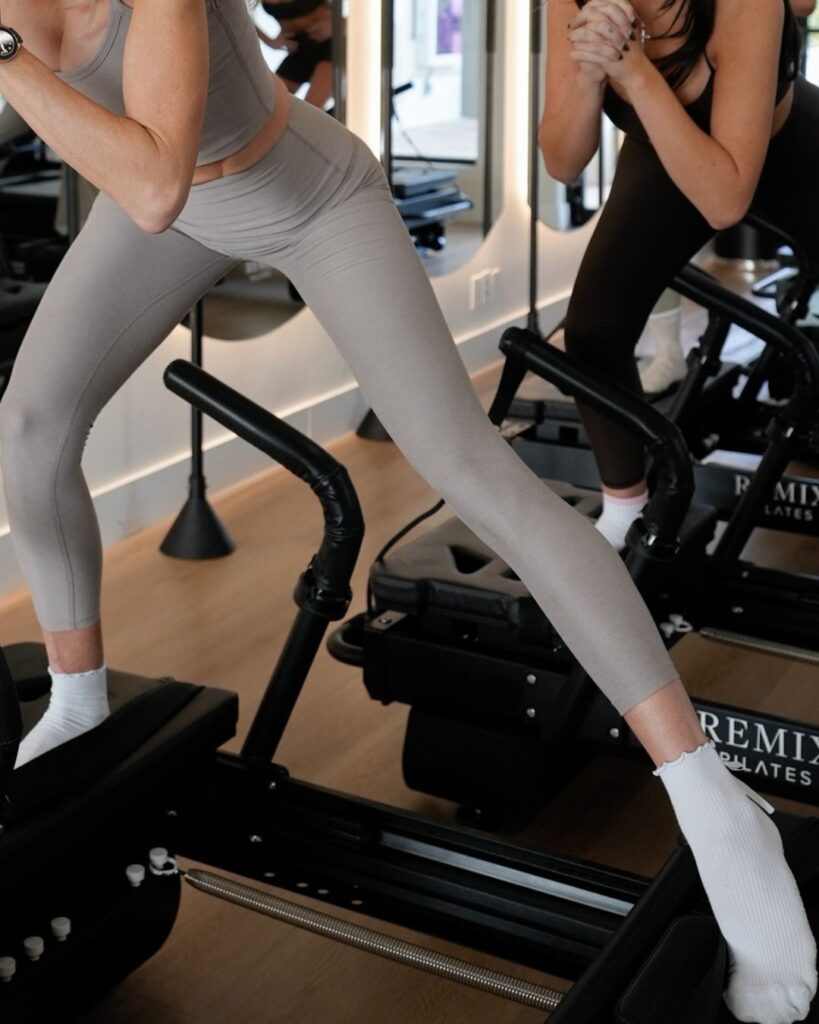
Can Pilates Really Give You “Long, Lean Muscles”? The Truth Behind the Phrase (And What Really Happens Instead)
You’ve probably seen it: the phrase “long, lean muscles” everywhere from Instagram wellness posts to pilates class descriptions. It sounds poetic, effortless, and so appealing — but is it real, or more fitness-industry shorthand? Let’s unpack what this phrase actually means, what Pilates can do for your body, and why your experience on the reformer is more about function and presence than semantics.
Long and Lean: What People Think vs. What Actually Happens
When people say Pilates makes your muscles “long and lean,” they’re often talking about a look or feel rather than a literal physiological change. Here’s why:
Muscles don’t physically lengthen through exercise.
Your anatomy — the way your muscles attach to tendons and bones — sets your muscle length. No movement practice, Pilates included, can change that. What can change is how your body moves, how you hold yourself, and how comfortable you are in your own range of motion. That’s where Pilates shines.
So what gives the “longer” look?
It’s largely about improved posture and flexibility. When your core and postural muscles are stronger and more coordinated, your spine can sit in a more aligned position — so you look taller and more elongated, even if your muscles haven’t literally changed length.
What Pilates Does Do — The Real Benefits Behind the Myth
1. Builds Endurance and Functional Strength
Pilates is designed to challenge your muscles through controlled, intentional movement patterns. Research shows that regular Pilates practice improves muscular endurance and flexibility — meaning you can support movement and posture longer with less fatigue.
2. Improves Postural Alignment
One of the biggest shifts people notice isn’t about how they look in clothes — it’s how they hold themselves in life. Pilates strengthens deep stabilizing muscles around your spine and shoulders, which can help you stand taller and move with more ease.
3. Enhances Flexibility and Controlled Mobility
Because Pilates works strength and movement quality together — think active lengthening rather than passive stretching — you develop flexibility alongside muscular support. That means you’re not just looser; you’re functionally mobile with control.
4. Supports Balanced Muscle Development
Pilates doesn’t isolate individual muscles as much as it integrates whole-body movement patterns. That helps balance strength across muscle groups and reduces compensations, so you move more efficiently and with less risk of imbalance-related injury.
So What About “Lean”?
Here’s the nuance: Pilates can shape how your body carries itself, especially when you practice consistently. But “lean” in the visual sense usually comes from a combination of:
-
Lower body fat
-
Muscle tone and endurance
-
Posture and movement quality
Pilates contributes to these, but it’s not a magic bullet for dramatic body-composition changes on its own. Other health factors like nutrition, overall activity, and strength training also play big roles.
The Bigger Picture: What Really Matters
We think this is the part worth celebrating: Pilates isn’t about achieving a certain look — it’s about building a deeper relationship with your body.
Instead of chasing “long, lean muscles,” try this on for size:
Your body gets stronger where it needs to be, more flexible where it’s tight, and more aligned in how it moves through the world.
That’s wellness — not a hashtag. At Remix, we care about strength that feels alive, not just aesthetic ideals. Pilates supports you in showing up for your life with more stability, ease, and confidence — and that’s worth showing up for every time.